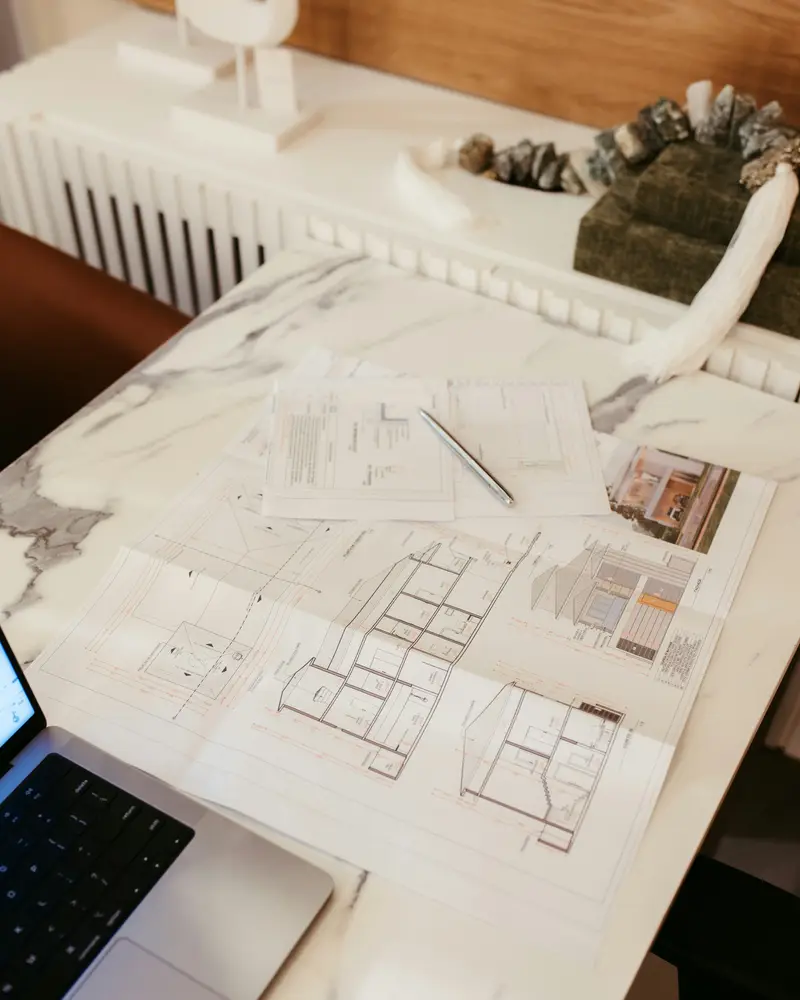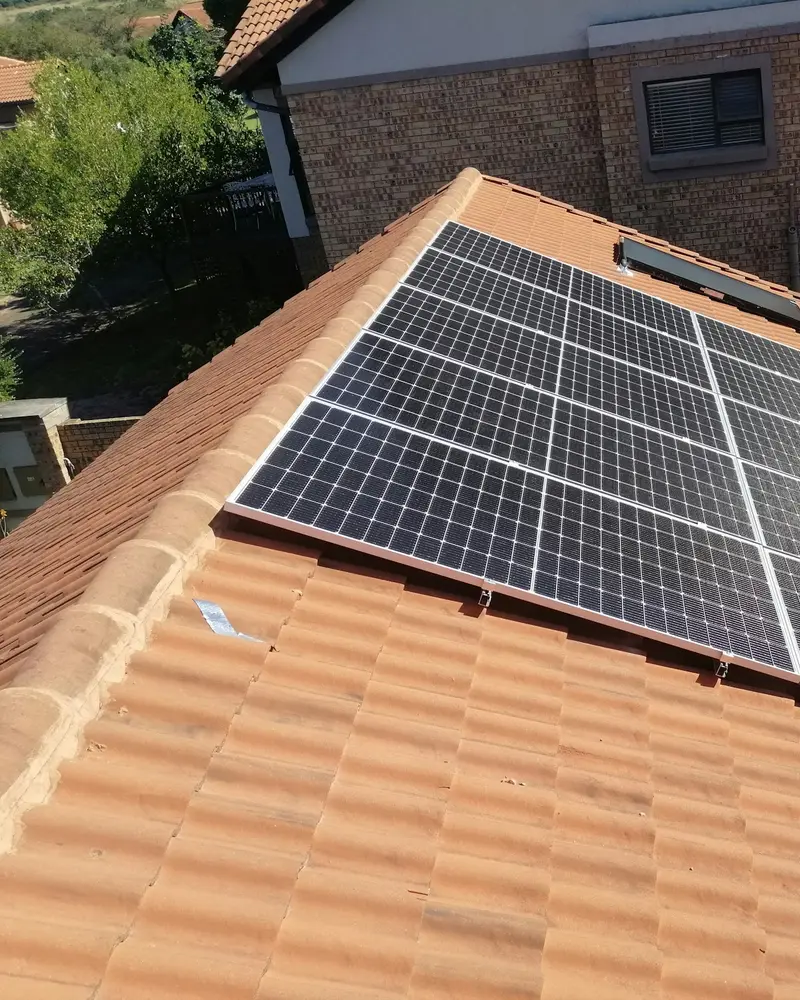

Where the simplified method works, we use it. Where it doesn't, we carry out CIBSE TM59 dynamic thermal modelling, then advise on glazing, shading and ventilation changes that get you through without compromising the design.
When you'll need it
- New dwellings, including conversions into homes
- Residential schemes with large glazed areas
- Urban sites where windows can't be opened at night
- Schools, offices and care settings needing TM52
What's included
- Simplified method check where it applies
- TM59 dynamic thermal modelling for dwellings
- TM52 assessment for non-domestic spaces
- Glazing, shading and ventilation recommendations
- Part O compliance report for Building Control
- Completion evidence and occupant information
Overheating assessments FAQs
Do I need dynamic modelling or the simplified method?
The simplified method suits many houses and lower-risk flats. Highly glazed designs, single-aspect flats or sites where windows must stay closed at night usually need TM59 modelling to pass.
Can overheating affect my design?
It can limit glazing on south and west elevations or need shading or mechanical ventilation. Assessing early lets us find the lightest-touch fix while the design is still flexible.
What is TM52?
TM52 is the CIBSE method for assessing overheating in non-domestic buildings, such as schools and offices. TM59 is its counterpart for homes.